
Start with the visitor's decision
A Farm is the seller's term for a coordinated marketing property. Picking its structure should come before requesting a large batch of pages. Ask who will arrive, what they already know and what useful next action the site should make easier.
For someone comparing several tools, a one-product sales argument may not answer the question. For someone seeking a local repair service, a broad software-style resource library may create unnecessary work.
Choose a Farm type by working backward from the reader's decision. Is the visitor trying to understand one product, compare alternatives, request a local service or learn a subject over time? Each task suggests a different structure. A coherent property makes that decision easier. Adding multiple products or topics before understanding the reader can dilute the message even if the software makes expansion easy.
The Farm vocabulary is a way to organize these properties, not a claim that every type will generate demand. A local service needs a real provider and an appropriate enquiry route. A product property needs current source material and clear commercial disclosures. A media property needs an editorial purpose beyond publishing volume. The software can support preparation, while the operator supplies the actual business context.
For the product's wider strengths and tradeoffs, consider who BuzzFarmsAI is designed for.
Match the Farm to the task
The official overview names several models and also describes properties around courses, PDFs and other information products. The examples below are editorial planning suggestions; they do not document a completed Farm or measured conversion result.
Use the comparison as an information-planning tool. A single-offer property can provide several pages without becoming a multi-product directory. A local business can publish educational material without turning into a general media site. What matters is the connection between the pages and the next action. The category should make your planning clearer rather than restrict sensible content that the audience actually needs.
For each proposed page, ask what new question it answers. A pricing guide explains costs and billing; a setup guide explains preparation; a comparison helps evaluate alternatives. Repeating the same introduction under several titles creates little additional value. BuzzFarmsAI's advertised long-form content capability is more useful when each output has a distinct task and links naturally to the next relevant explanation.
| Farm model | Reader's main question | Useful content focus |
|---|---|---|
| Single Offer Authority | Does this product suit my situation? | Explanation, use cases, limitations and practical guides |
| Product Comparison | Which option fits my requirements? | Comparable criteria, differences and decision support |
| Multi-Product Marketplace | What is available in this niche? | Clear categories, product context and curated navigation |
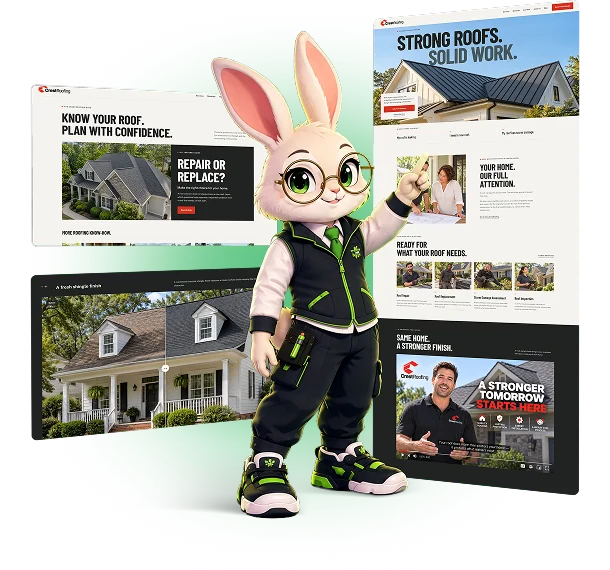
| Local Business / Service | Can this business help with my need? | Accurate services, service area and enquiry route |
| Media & Lead Generation | Can this resource help me solve a problem? | Useful editorial content and a relevant voluntary next step |
| Course / Information Property | What can I learn and is this resource right for me? | Educational topics, curriculum context and suitable supporting material |
Choose around one clear marketing project
Match the connected Farm workflow to your audience, project scope and review capacity. The pricing guide explains the commercial details that still need confirmation.
View the BuzzFarmsAI offerOne offer or several choices?
A single-offer Farm suits a product with enough genuine questions to support its own useful content. Its review, tutorial and buying information should do different jobs. Publishing several articles that repeat the same recommendation does not create a stronger resource.
A comparison Farm needs a consistent basis for comparison. If you compare storage, supported workflows or billing, check each product against current primary information. An unknown feature is not automatically a missing feature. Explain who benefits from a difference instead of building a chart where one product wins every row.
A multi-product description should not be treated as proof of built-in checkout, stock management, payment processing or order fulfilment. Confirm those separately if selling directly is part of your plan.
A single-offer Farm is a sensible candidate when you understand one product well enough to explain its fit and limitations. Start with an overview, then support the purchase decision with distinct guides. The recommendation should identify the reader who benefits and the reader who should investigate another option. Persuasion becomes stronger when it resolves a real objection, such as whether a particular allowance covers the intended workload.
A comparison Farm needs a consistent basis for judging alternatives. Compare the same task, billing period and capability across options. Do not turn an incomplete feature description into a winner badge. If the evidence differs in quality, say so. A useful comparison can acknowledge that one option suits an established process while another offers convenience for a new one, without inventing a universal ranking.
Local service or editorial resource?
A local service Farm should make real service details easy to find. Useful material includes what the business handles, where it operates and how an enquiry reaches the right person. It should not invent branches, customer reviews, local credentials or availability to fill a template.
A media or information-product Farm has a different responsibility: useful material needs to stand on its own before a visitor is asked to register or buy. A course property can explain prerequisite knowledge, lesson themes and realistic learning goals without promising that a reader will complete a particular outcome.
For a local-service Farm, verified business details matter more than broad coverage. Use the actual service area, accepted enquiries and approved claims. A property that implies a business serves everywhere can attract unsuitable leads and create avoidable friction. Supporting articles should help prospective customers prepare or decide, while the enquiry route makes clear who will respond and what information is needed.
A media Farm has a different challenge: sustaining a recognizable subject and reason to return. Choose an editorial angle that can support useful original explanations. Plan how offers fit that subject rather than inserting unrelated products into every article. For ecommerce, ensure product facts and availability match the actual store. The advertised ability to create a site does not establish inventory synchronization or any particular checkout integration.
For service details, permissions and lead handoff, use the local client-site workflow.
Choose a manageable first Farm
Write a one-sentence purpose before choosing the model: 'Help this audience decide this question, then offer this relevant next step.' If the sentence requires several unrelated audiences or outcomes, narrow the brief. Start with the pages needed to complete that journey and expand only when new content serves a distinct need.
Farm type and workflow mode are separate choices. A quick opt-in campaign may need less ongoing site structure than a broader property, regardless of its topic. Confirm package inclusions before assuming that a named model is available in every offer.
Before choosing a template, sketch the reader's route in plain language. A service visitor might read eligibility information, inspect the process and send an enquiry. A product buyer might read the overview, examine pricing and then inspect the seller's offer. If the route is clear, design and content choices become easier to judge. If it is confused, a more elaborate template is unlikely to solve the underlying problem.
Also identify what must stay current. Product prices, service boundaries, buying links and account terms can change. Assign a person to maintain those facts and approve new claims. A Farm may help coordinate continuing work, but keeping a property useful requires decisions about what to revise, remove or expand. This maintenance plan should influence scope before you commit to a larger package.
To choose the scope of the workflow as well as the site model, compare BuzzFarms Lite versus Advanced.
Choose one Farm before building a portfolio
The seller promotes the possibility of several Farms across products and niches. A portfolio is an expansion model, not a sensible substitute for understanding the first property. Begin with an audience you can serve and a topic you can review. Once you know what it takes to maintain accurate material and handle the next action, you can evaluate whether another property adds useful variety or simply multiplies unfinished work.
The commercial decision should follow that plan. A package advertising unlimited Farms may be relevant when a real workload exceeds the entry allowance. It does not make unused sites valuable, and its service rules still need confirmation. Client access and branding rights are separate questions from how many properties you can generate. Match those permissions to the type of service you will actually deliver.
A strong first choice is therefore specific: one property model, one defined audience, a manageable set of questions and a working next step. BuzzFarmsAI's appeal is connecting the site with ongoing content and feedback. Choose the Farm type that gives those connected tasks a purpose, then inspect the current offer for the access and limits needed to operate it.
Frequently asked questions
Which BuzzFarmsAI Farm type is best?
There is no universal best type. Choose the one that fits the visitor's decision and the content you can support, then confirm it is included in the offer you are considering.
Is a Multi-Product Marketplace a complete online store?
The name alone does not verify checkout, payments, inventory or fulfilment. The documented marketing-property concept should not be expanded into unconfirmed ecommerce functionality.
Can a Farm promote an existing course?
The seller describes course and information-product properties. Plan useful educational content around the actual course, while confirming the specific tools and entitlements available to your account.
Can one Farm support several buying questions?
Yes, a single coherent property can contain distinct explanations for different stages of the same decision. An overview, pricing guide, setup discussion and practical comparison can belong together when they serve the same audience. Give each page its own purpose and link to the next relevant answer. Avoid using several titles for substantially the same article. The value of a broader Farm is helping readers move through related questions with consistent facts. Confirm the package's actual publishing and usage allowance before planning the volume. A coherent small property is a better starting point than a large directory with little distinction between its pages.
How do I choose the first niche?
Choose a topic or service you can understand, source and maintain. You should know who needs the information and what useful action follows. Commercial appeal alone is not enough if you cannot recognize inaccuracies or obtain the required rights. Start with available evidence and a realistic next step, then assess whether the advertised workflow helps you assemble the property. This is a planning standard rather than a promise that a particular niche will perform. If you later expand, use actual operating experience to judge the additional work instead of assuming every new Farm will behave like the first.
Put this workflow in context
Read the complete BuzzFarmsAI review for our recommendation, product scope and buying considerations.
Choose around one clear marketing project
Match the connected Farm workflow to your audience, project scope and review capacity. The pricing guide explains the commercial details that still need confirmation.
View the BuzzFarmsAI offerEvidence and editorial scope
We tried BuzzFarmsAI and liked using it. This is qualitative publisher feedback, not a measured performance benchmark. Features are attributed to the seller; suggested workflows are guidance, not invented test logs or customer results.
The official product preview was reviewed for this edition dated November 14, 2026. Mixed pricing and unrelated copy in that preview are not treated as verified purchase terms. Official images are promotional illustrations, used with the publisher's reported permission.