
The phrase commercial rights can hide several different permissions. The Ghost Audio Method's educational content licence, the rights attached to a voice tool and a customer's permission to use source material are not the same thing. This guide summarizes the creator's published terms and provides a practical project checklist. It is not legal advice or a claim that buying a course clears every asset in a future production.
Disclosure: we may receive a payment when you buy through our links, at no extra cost to you. Launch Review Lab is a commercial editorial publication, not the product creator or account service.
Start with the Direct Creator License for the educational material
The public terms describe a personal, non-transferable right to use the purchased content for yourself and in your business, including producing work for clients. That supports using the learning sequence and resources in a genuine production workflow. It does not turn the educational kit into a product you can redistribute.
The terms specifically exclude reselling, sharing, giving away or publishing the product files themselves. Keep that boundary clear when working with a team. A customer can receive an agreed original deliverable without receiving your private course downloads. If your intended arrangement involves sharing templates or granting access to another person, obtain the relevant permission rather than assuming the word business overrides the file restriction.
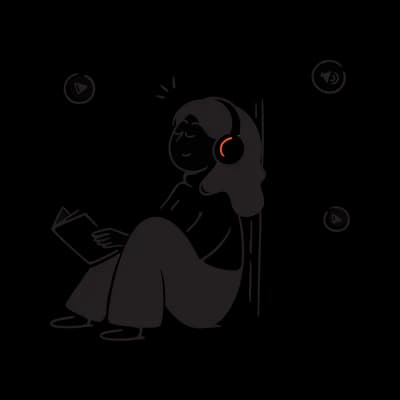
The Author: start with one audio edition
Connect a focused writing project with the method’s audiobook-production route.
- Choose a narrow topic and check demand.
- Review the script, narration and rights.
- Package a sample before offering a service.
Separate original output from source resources
The terms distinguish work you create from the learning files. Original audio, video and text produced through the workflow are described as yours, but that does not remove rights belonging to other people. A script copied from a book you do not own remains a problem even if a voice tool can read it.
Maintain an asset record for each project. Include the script source, author permission, voice rights, music, artwork and any customer-supplied material. Record whether permission covers public release, commercial use and portfolio display. A customer approving the final file is not necessarily granting a right to use their recording in your advertising. Clarify those permissions separately before publishing the work as a sample.
The voice tool has its own commercial-use terms
The entry method is not a voice-tool licence, trial or allocation of export credits. If you use a separate voice product, check the exact plan's rights before publishing or selling output. Access to a free tool does not automatically establish commercial permission, and buying an educational guide does not amend another company's terms.
Likewise, the Bundle's one-year studio component must not be called lifetime access. Its licence and renewal terms are separate from the non-renewing educational resources. Do not advertise an optional voice resource as usable indefinitely without checking the active software rights it requires. The pricing guide explains the publicly advertised Bundle payment structure; the actual selected licence remains the controlling purchase question.
Consent is not an optional production detail
The creator requires consent-confirmed voice cloning and prohibits impersonation, deception and unlawful use. Do not clone a public figure from online clips, make a synthetic customer testimonial or put words in a real person's mouth without permission. The fact that a recording is publicly accessible does not establish consent to clone it.
Use an agreed narrator identity and disclose AI narration where required. If a customer supplies a voice sample, confirm that the person has authorized the intended use and that the customer has the necessary authority. Keep that approval with the project records. When the permission is unclear, choose a properly licensed stock synthetic voice or stop the cloning step until the question is resolved.
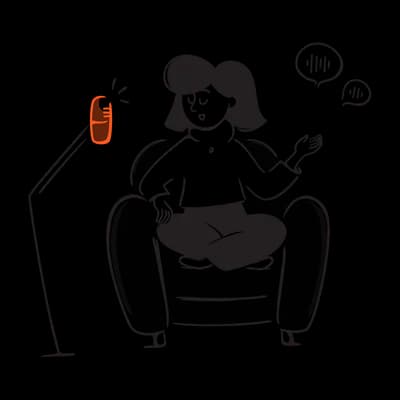
The Show Host: create a focused pilot
Use a short audio pilot to make the podcast route concrete and manageable.
- Choose the listener and episode format.
- Review pacing, pronunciation and accuracy.
- Present a clearly scoped audio service.
What optional agency material does and does not establish
The broader package lists an Agency Kit, but the name alone does not establish white-label resale rights to the course, a right to sublicense software or permission to distribute another person's source files. Assess the actual resource description and licence before making any of those claims.
| Intended activity | Permission to verify |
|---|---|
| Use the educational process in your business | Personal/business content-use licence |
| Deliver original audio to a client | Source-material rights and voice-tool commercial rights |
| Share the purchased course files | Not permitted by the published content licence |
| Clone a real person's voice | Specific informed consent and permitted use |
| Resell software access or rebrand the course | Requires explicit rights, not inferred from an agency label |
The practical benefit of a clear licence is not aggressive marketing language. It is knowing which work you can safely agree to deliver. Write a scope that reflects those rights and do not sell a permission you do not possess.
Build rights checks into the project handoff
Before generating the full recording, confirm the approved script, narrator and intended destination. Before delivery, inspect the actual export and record the final approved version. Before portfolio publication, confirm whether the customer permits it. These checkpoints are editorial operating guidance, not a substitute for professional advice when the rights are disputed or the stakes are significant.
The Official 30-Day Money-Back Guarantee concerns the first payment under the creator's published satisfaction policy. It is not a guarantee that a third-party asset is licensed or that a platform will accept the result. Choose The Ghost Audio Method for the documented learning structure; treat commercial permissions as explicit project requirements, not as assumptions attached to a purchase button.
Frequently Asked Questions
Can I use the method for client work?
The published educational licence permits business use and producing client work. You must separately hold the necessary source-material and voice-tool rights.
Can I resell or white-label the course?
The terms prohibit redistribution of the product files. No course resale or white-label right is established merely by buying the main package or an item called Agency Kit.
Does a voice sample from the internet establish consent?
No. Public availability is not permission to clone or impersonate someone. Obtain the specific rights and consent required for the intended use.
Is this a legal opinion on my project?
No. It is a summary of published product terms and practical permission checks. Obtain qualified advice for disputed rights or a consequential contract.