
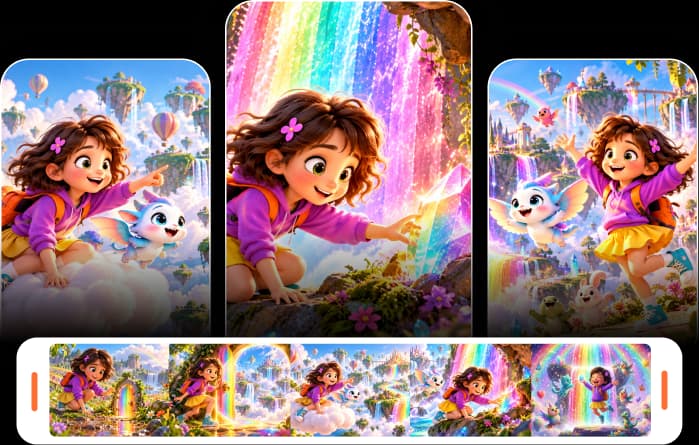
RocketToons educational videos can turn a simple lesson into a character-led visual explanation. The documented story, voice and animation tools provide a route from a teaching idea to a finished video. Their practical value depends on the lesson design, not just the movement on screen.
This is a planning guide, not a measured study of learning outcomes. Our positive RocketToons review concerns the creative workflow. Here, the objective is to help you build a clear, accurate and age-appropriate educational asset.
We may earn a commission if you purchase through links on this page, at no extra cost to you.
Define one learning objective
Write what the learner should be able to explain or identify after watching. “Recognize why a plant needs drainage” is a manageable objective. “Understand all of gardening” is not. A narrow objective gives the script a stopping point and makes it easier to decide which scenes belong.
Specify the audience's prior knowledge and reading level. A young learner, an adult beginner and a professional trainee can all need different vocabulary for the same topic. Do not infer suitability simply because the characters look friendly. Review the explanations and imagery for the actual audience you intend to serve.
Turn the concept into a visible demonstration
Choose an event the learner can observe. An original example could compare two plant pots, one draining normally and one retaining too much water. The characters can notice the difference and explain the relevant rule. This is a suggested lesson structure, not a claim about our generated output.
Keep the visual metaphor accurate. A cartoon can simplify a process without inventing its cause. If a character or object stands for something abstract, make the relationship explicit. Avoid decorative scenes that consume attention without helping the learner understand the main point.

Check the script before animation
Use the story writer to draft and organize, then verify the content. Check names, dates, definitions, units and cause-and-effect explanations. For specialist subjects, obtain a knowledgeable review. An engaging voice should not make unsupported health, financial or safety advice look authoritative.
The script-writing guide explains outline review. For a lesson, a practical sequence is question, demonstration, explanation and recap. Remove repeated narration and make the relationship between the spoken words and the visible action clear. Accurate simplification is a stronger goal than packing every related fact into one cartoon.
Use characters as guides, not distractions
A recurring character can ask the learner's question or make an understandable mistake that the lesson resolves. Keep the cast small enough that identifying the speakers does not become an extra task. Give the learner time to observe the important object or change.
Maintain visual continuity across the demonstration. If the example compares two pots, their identities should remain clear. If the narrator refers to a green lever, it should not become blue in the next scene. Our character-consistency guide also applies to teaching props and environments.
Make the spoken and written content accessible
Listen for pronunciation and speed, especially when introducing unfamiliar terms. Captions should match the spoken meaning and remain readable against the artwork. Avoid using a rapid animation effect as a substitute for a clear explanation. A short pause can give the learner time to connect the words to the example.
For another language, review the translated explanation with a competent speaker. RocketToons advertises multilingual support, but a voice option does not prove that a lesson's terminology is correct. Keep the approved script with each language version so that later corrections do not become disconnected from the exported file.
Add a comprehension check and review the final file
Ask a question tied to the objective: which pot needs a drainage change, and why? The question should test the concept shown, not a detail that appeared only as decoration. A quiz format can be useful when the answer has been explained clearly enough for the intended audience.
Watch the exported video as a learner would. Check factual accuracy, legibility, audio and whether the ending restates the intended takeaway. You can use feedback to improve a future version, but do not claim better retention or test scores without actual evidence. The export guide provides the technical finishing checklist.
Frequently asked questions
Does RocketToons replace an educator's review?
No. The software can support production, but the lesson's accuracy, audience suitability and instructional design still require human judgment.
Can I make lessons in different languages?
Multilingual voices are advertised. Check the available language and review the script, pronunciation and captions for the audience you intend to teach.
Should a lesson include lots of animation?
Only where it clarifies the concept. Motion that does not support the objective can make a simple explanation harder to follow.
Are improved learning results established?
Not by the supplied evidence. We do not claim measured improvements in retention, assessment scores or classroom outcomes.
Product information and review scope
Product information checked October 24, 2026 against the official product specifications and supplied product material. Official descriptions inform the feature breakdown; they are not independent evidence of results. Where the sources disagree on package allowances, this guide preserves the uncertainty rather than choosing the most generous figure.
We tried RocketToons and liked using it. That qualitative experience is separate from package documentation and does not establish testing of every optional module, a paid-checkout verification, a measured outcome or a particular refund period. Use the official purchase route for current availability and the selected order's terms.